
Do Vapes Cause Popcorn Lung? What the Research Shows

Table of Contents
- Key Takeaways
- Popcorn Lung at a Glance
- What Is Popcorn Lung?
- Where Did the Name "Popcorn Lung" Come From?
- Is There Diacetyl in Vapes?
- Does Vaping Cause Popcorn Lung?
- Is EVALI the Same as Popcorn Lung?
- What Popcorn Lung Symptoms Mean You Should See a Doctor?
- How Can You Avoid Diacetyl in Vapes?
- Shopping for E-Liquid at Vape Ninjas
- FAQs
There is no proof that vaping causes popcorn lung, but the risk has not been ruled out. Popcorn lung (bronchiolitis obliterans) was linked to workers breathing butter flavoring chemicals, and some of those chemicals, like diacetyl, have been found in e-liquids. Researchers have not confirmed vaping as a cause, and health groups still urge caution.
Key Takeaways
- Popcorn lung is the nickname for bronchiolitis obliterans, a rare disease that scars and narrows the smallest airways in the lungs. The scarring is permanent.
- The name comes from microwave popcorn plant workers who got sick after breathing flavoring vapors, with diacetyl as the best known chemical involved.
- A 2015 Harvard study found diacetyl in 39 of 51 flavored e-cigarette products it tested.
- Cancer Research UK states there are no confirmed cases of popcorn lung linked to e-cigarettes, though one 2019 case report described a "possible" case in a teen who vaped.
- The 2019 EVALI outbreak was a different illness, tied mainly to vitamin E acetate in THC vaping products.
- Ongoing cough, wheezing or shortness of breath is a reason to see a doctor, whether you vape or not.
Popcorn Lung at a Glance
| Question | Short answer |
|---|---|
| Medical name | Bronchiolitis obliterans |
| What it affects | The bronchioles, the smallest airways in the lungs |
| Best known cause | Inhaling toxic chemicals over time, including the butter flavoring diacetyl |
| Other causes | Severe respiratory infections, autoimmune disease, and lung or bone marrow transplants |
| Common symptoms | Shortness of breath with activity, dry cough, wheezing, fatigue |
| Is it curable? | No. Treatment aims to slow damage and ease symptoms. |
| Proven link to vaping? | Not confirmed. Flavoring chemicals tied to the disease have been found in some e-liquids. |
What Is Popcorn Lung?
Popcorn lung is a rare, chronic lung disease called bronchiolitis obliterans. According to the American Lung Association, it happens when the bronchioles, the tiniest airways, are injured and heal with too much scar tissue. That scar tissue narrows or blocks the airways, so less oxygen reaches the air sacs. Without treatment it can lead to permanent lung damage and respiratory failure.
Chemical exposure is not the only cause. The American Lung Association lists severe infections such as RSV, autoimmune diseases like rheumatoid arthritis, and transplants as other causes. It notes that about half of lung transplant recipients develop the condition within five years.
The Cleveland Clinic explains that there is no cure and the scarring does not go away. Treatment focuses on avoiding the trigger, medicines such as corticosteroids or inhalers, and oxygen therapy. Severe cases may need a lung transplant.
Where Did the Name "Popcorn Lung" Come From?
The nickname traces back to a microwave popcorn plant in Jasper, Missouri. In a NIOSH report, the CDC's workplace safety institute described eight former workers who developed bronchiolitis obliterans between 1992 and 2000. Some were ill enough to be placed on lung transplant lists. NIOSH tested the plant in November 2000 and found current workers had higher than expected rates of chronic cough, shortness of breath and abnormal breathing tests.
NIOSH said breathing flavoring vapors was the most likely cause. Diacetyl, the chemical that gives artificial butter flavor its taste, became the best known suspect. The American Lung Association notes diacetyl is also found in some cake mixes, candy and other flavored foods, and that it "is found in tobacco smoke, flavored tobacco products and vaping products."
Is There Diacetyl in Vapes?
Some e-liquids have tested positive for it. The most cited research is a Harvard T.H. Chan School of Public Health study led by Joseph Allen and published in Environmental Health Perspectives in December 2015. As reported by the Harvard Gazette, the team tested 51 flavored e-cigarettes and liquids from leading brands for three related flavoring chemicals.
| Chemical | What it is | Flavors where it was detected (out of 51) |
|---|---|---|
| Diacetyl | Buttery flavoring linked to popcorn lung in workers | 39 (above the lab's detection limit) |
| Acetoin | Related buttery flavoring compound | 46 |
| 2,3-pentanedione | Related flavoring compound | 23 |
| At least one of the three | Any of the chemicals above | 47 |
The study has limits worth knowing. It measured aerosol made by a lab machine, not what real people inhale. It reported whether the chemicals were present, not how much exposure would harm a person. And 51 products are a small slice of a market with thousands of flavors. The researchers called for more study rather than declaring that vaping causes popcorn lung.
A 2015 letter from NIOSH scientists in the journal Nicotine and Tobacco Research added another caution: workplace exposure limits for diacetyl and 2,3-pentanedione were written to protect workers and are not meant to define a "safe" level for consumers.
Want to know what normally goes into e-liquid? Our guide to vape juice ingredients breaks down the base liquids and flavorings.
Does Vaping Cause Popcorn Lung?
Based on current evidence, no one has proven it does, and no one has proven it does not. Here is where major sources land:
- Cancer Research UK states that there have been no confirmed cases of popcorn lung linked to e-cigarettes. It also notes that diacetyl has been banned in UK e-liquids since 2016 under the EU Tobacco Products Directive.
- The Cleveland Clinic lists vaping among the things that can damage the small airways and says the liquid in e-cigarettes can contain diacetyl. Its advice is direct: if you smoke or vape, you should quit.
- The American Lung Association names vaping products as one source of diacetyl exposure.
What about bronchiolitis obliterans vaping case reports?
The most discussed report appeared in the Canadian Medical Association Journal in 2019. Doctors described a previously healthy 17-year-old who vaped flavored e-liquids daily for about five months and became critically ill. The authors called it a "possible" case of bronchiolitis obliterans tied to vaping. They could not confirm it with a biopsy, the products he used were not tested, and he also added THC to his vape and smoked marijuana. One uncertain case cannot prove cause, but it is a reason doctors keep watching this question.
Is EVALI the Same as Popcorn Lung?
No. Many people mix them up because both made headlines around vaping. EVALI stands for e-cigarette or vaping product use associated lung injury, and it was a sudden outbreak in 2019.
| Popcorn lung (bronchiolitis obliterans) | EVALI | |
|---|---|---|
| Type of illness | Chronic scarring of the smallest airways | Acute lung injury that came on quickly |
| Main suspected cause | Inhaled chemicals over time (such as diacetyl), plus infections, transplants and autoimmune disease | Vitamin E acetate, mostly in THC vaping products |
| Link to vaping | Not confirmed | Documented by the CDC during the 2019 outbreak |
A CDC report from January 2020 found that 82% of hospitalized EVALI patients with known product use reported using THC-containing products, and many got them from informal sources such as friends, family or dealers. Vitamin E acetate was found in product samples and in patients' lung fluid. The same report noted that 14% reported using only nicotine products and said those cases needed more investigation. By February 2020, the CDC had counted 2,807 hospitalized cases or deaths, including 68 deaths, and named vitamin E acetate as a primary cause.
The EVALI outbreak is one more reason to avoid counterfeit or unregulated products. Learn the warning signs in our post on how to tell if a vape is fake.
What Popcorn Lung Symptoms Mean You Should See a Doctor?
The Cleveland Clinic notes popcorn lung may cause no symptoms at first. When symptoms appear, they often include:
- Shortness of breath during or after activity
- A cough, usually dry
- Wheezing
- Fatigue
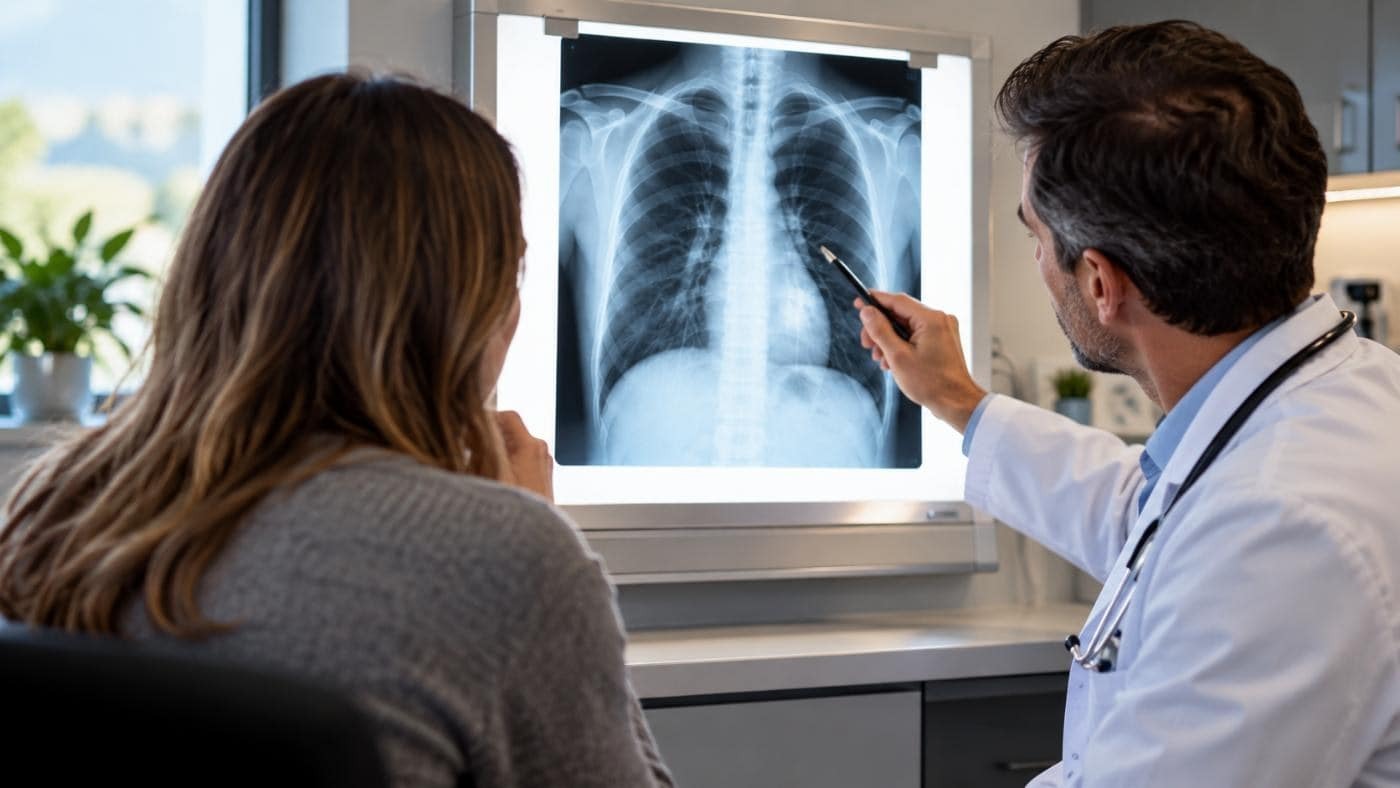
These signs overlap with asthma, bronchitis and other conditions, so only a doctor can sort out the cause. Diagnosis can involve pulmonary function tests, a chest X-ray or CT scan, bronchoscopy, and sometimes a lung biopsy. Tell your doctor that you vape and what you use, including any THC products. If breathing trouble is severe or getting worse quickly, get urgent care. Early diagnosis gives treatment a better chance of working.
How Can You Avoid Diacetyl in Vapes?
No e-liquid can be called risk free, and the only way to avoid vaping exposures entirely is not to vape. If you are an adult who chooses to vape, these steps can help you reduce exposure to the flavoring chemicals discussed above:
- Look for brands that state they are diacetyl-free. Many manufacturers say so on the label or their website. Treat it as the maker's claim and check whether they explain how they back it up.
- Ask for lab testing. Some brands publish third-party test results that list diacetyl, acetoin and 2,3-pentanedione. If a company cannot tell you what is in its liquid, choose another.
- Look closely at butter-style flavors. Diacetyl is the chemical behind artificial butter flavor, so these are worth an extra check of the brand's ingredient details.
- Buy authentic products from a real retailer. Counterfeit and street products skip quality control entirely.
- Never vape illicit THC cartridges. The CDC tied the EVALI outbreak mostly to these products.
For broader context, read our overview of vaping and safety.
Shopping for E-Liquid at Vape Ninjas
If you are an adult smoker or vaper, you can browse our vape juice collection and compare brands by flavor and nicotine strength. Before you buy, check each manufacturer's ingredient and testing information for a diacetyl-free statement. If you want to cut nicotine, our nicotine-free vapes are another option, but keep in mind that zero nicotine does not mean zero flavoring chemicals, so the same label checks apply.
If you started vaping to move away from cigarettes, our article on vaping and quitting smoking covers what smokers should know. Nonsmokers and young people should not start vaping.
How we sourced this: We reviewed lung disease information from the American Lung Association and the Cleveland Clinic, CDC and NIOSH reports on popcorn plant workers and the EVALI outbreak, a Harvard T.H. Chan School of Public Health study published in Environmental Health Perspectives, a 2019 case report in the Canadian Medical Association Journal, a NIOSH scientific letter in Nicotine and Tobacco Research, and Cancer Research UK guidance. This article is for general information and is not medical advice.
This content is for adults 21 and older.
FAQs
1) What is popcorn lung?
Popcorn lung is the common name for bronchiolitis obliterans, a rare disease that scars the smallest airways in the lungs. The scarring makes breathing harder and cannot be reversed.
2) Has anyone gotten popcorn lung from vaping?
Cancer Research UK reports no confirmed cases linked to e-cigarettes. A 2019 Canadian report described a possible case in a teenager, but doctors could not confirm the diagnosis and he also used THC.
3) Do all vapes contain diacetyl?
No. The 2015 Harvard study found it in many, but not all, of the flavored products it tested, and the UK has banned it in e-liquids. Checking a brand's ingredient and testing details is the best way to know what you are buying.
4) Is 2,3-pentanedione safer than diacetyl?
Not necessarily. It is a related flavoring compound, and NIOSH has proposed workplace exposure limits for both it and diacetyl to protect workers' lungs.
5) Can popcorn lung be cured?
There is no cure. Doctors focus on removing the cause, using medicines like steroids or inhalers, and in severe cases oxygen or a lung transplant.
6) Do nicotine-free vapes cause popcorn lung?
Nicotine is not the chemical linked to popcorn lung, so removing it does not remove flavoring concerns. Nicotine-free liquids still use flavorings, so it is worth checking for a diacetyl-free statement.
7) How is EVALI different from popcorn lung?
EVALI was a sudden lung injury outbreak in 2019 tied mainly to vitamin E acetate in THC vaping products. Popcorn lung is a slow, scarring airway disease with several known causes.
Latest News

History of Vaping: When Were Vapes Invented?
Quick AnswerModern vapes were invented in 2003 by Hon Lik, a pharmacist in Beijing, China. His e-cig...

Velo vs Zyn vs On!: Strengths, Flavors and FDA Status
Table of Contents Key Takeaways Velo vs Zyn vs On! at a Glance Velo vs Zyn: What Is the Difference...

Elf Bar Flavors: EBCreate BC Pro 40K Full Flavor Guide
Table of Contents Key Takeaways EBCreate BC Pro 40K at a Glance What Is Elf Bar's New Name? Is Los...

Best Watermelon Ice Vapes: 10 Top Disposables in 2026
Table of Contents Key Takeaways Watermelon Ice Vapes at a Glance What Does Watermelon Ice Taste Li...
What Is Metatine? 6-Methyl Nicotine in SBX Vapes Explained
Table of Contents Key Takeaways Metatine at a Glance What Is Metatine Made Of? Metatine vs Nicotin...

Are Nicotine-Free Vapes Safe? What's Inside a 0mg Vape
Table of Contents Key Takeaways Nicotine-Free Vapes at a Glance What Is a Nicotine-Free Vape? What...