
History of Vaping: When Were Vapes Invented?

Quick Answer
Modern vapes were invented in 2003 by Hon Lik, a pharmacist in Beijing, China. His e-cigarette went on sale in China in 2004 and reached the US around 2006 to 2007. Earlier designs existed, including a smokeless cigarette Herbert A. Gilbert patented in 1965, but none were sold to the public.
Table of Contents
The idea behind vaping is much older than most people think. Here is how vaping went from a patent drawing in the 1920s to the devices on our shelves today.
Key Takeaways
- The first modern e-cigarette was created by Hon Lik in 2003 and went on sale in China in 2004 under the Ruyan brand.
- Herbert A. Gilbert received a US patent for a smokeless, battery-powered "cigarette" in 1965, but it was never mass produced.
- E-cigarettes reached the US and Europe around 2006 and 2007.
- Devices moved from cigarette-shaped "cig-a-likes" to pen-style batteries, box mods, pod systems and now high-puff disposables.
- The FDA began regulating e-cigarettes as tobacco products in August 2016, and federal law raised the minimum age to 21 in December 2019.
When Were Vapes Invented?
The modern vape was invented in 2003. That is the year Hon Lik filed his first patent for a device that turned a nicotine liquid into an inhalable aerosol. His company launched the product in China in 2004.
If you count earlier designs that never reached stores, the story starts in 1927 with a patent for an electric vaporizer, followed by Herbert A. Gilbert's 1965 patent. Neither one became a product people could buy.
Who Invented the Vape?
Hon Lik is credited with inventing the vape as we know it. He was a pharmacist and a heavy smoker, and he has said in interviews that his father's death from lung cancer pushed him to look for another way to get nicotine. He worked for a company called Golden Dragon Holdings, which later renamed itself Ruyan, meaning "like smoke."
Herbert A. Gilbert, a Pennsylvania inventor, is often called the first person to describe an e-cigarette. His design heated flavored air with a battery instead of burning tobacco. Gilbert pitched it to companies in the 1960s, but none of them took it to market.
Vaping History Timeline
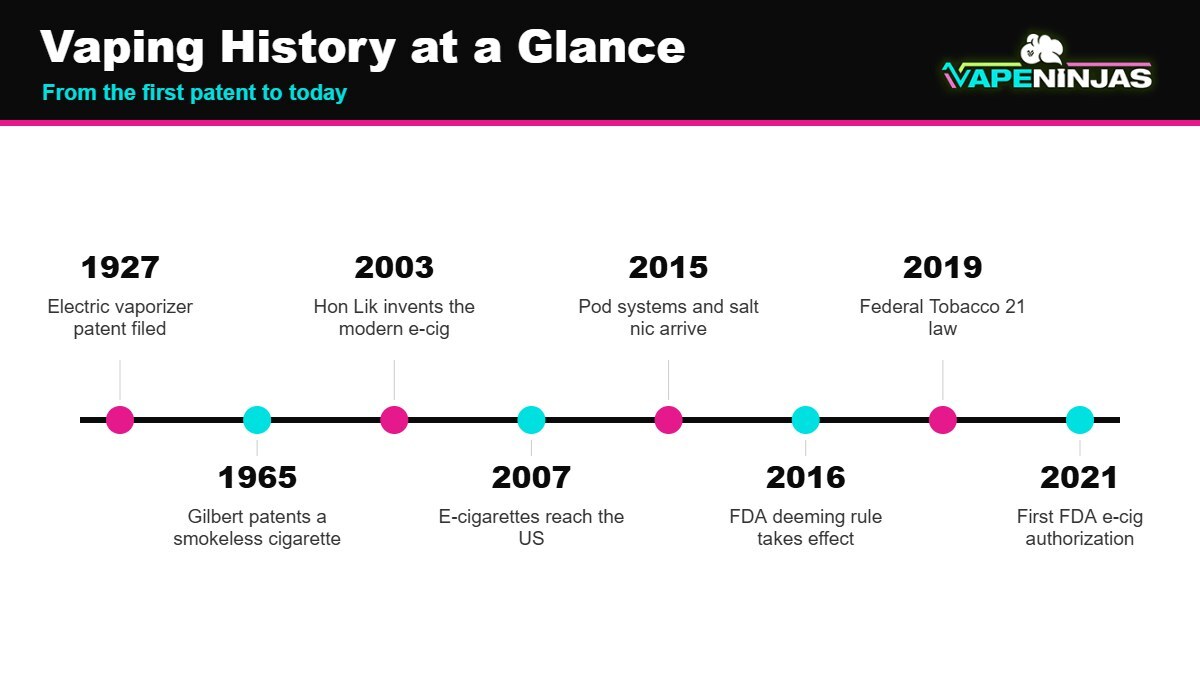
| Year | What Happened |
|---|---|
| 1927 | Joseph Robinson files a patent for an electric vaporizer for medicinal compounds. It is never produced. |
| 1965 | Herbert A. Gilbert is granted a US patent for a "smokeless non-tobacco cigarette." |
| 1979 | Phil Ray and Norman Jacobson sell the Favor, a non-electric nicotine inhaler. The word "vaping" is often traced to their work. |
| 2003 | Hon Lik invents the first modern e-cigarette in Beijing. |
| 2004 | Ruyan e-cigarettes go on sale in China. |
| 2006 to 2007 | E-cigarettes reach Europe and the United States. |
| 2009 | Pen-style "eGo" batteries become popular, offering bigger batteries than cig-a-likes. |
| 2010 | A federal appeals court rules the FDA can regulate e-cigarettes as tobacco products. |
| 2013 to 2014 | Box mods and sub-ohm tanks take off with hobbyist vapers. |
| 2015 | Pod systems using salt nicotine hit the US market. |
| 2016 | The FDA's "deeming rule" takes effect on August 8, bringing e-cigarettes under federal tobacco law. |
| 2019 | Tobacco 21 becomes federal law on December 20. |
| 2020 | The FDA limits flavored cartridge pods, and disposables surge in popularity. |
| 2021 | The FDA issues its first marketing authorization for an e-cigarette, the Vuse Solo. |
| 2025 | The Supreme Court sides with the FDA on flavored e-liquid denials in April, and the FDA authorizes Juul products in July. |
The Early Ideas: 1927 to 1979
Joseph Robinson's 1927 patent described an electric vaporizer for inhaling medicinal compounds. It was granted in 1930, but there is no record of it being built for sale.
Herbert A. Gilbert filed his patent in 1963, and it was granted in 1965. His drawings show a slim tube with a battery, a heating element and a flavor cartridge. It looks a lot like the cig-a-likes that showed up 40 years later. The problem was timing. Smoking was common and cheap, and tobacco companies saw no reason to sell something different.
In 1979, Phil Ray and Norman Jacobson released the Favor. It had no battery. It was a plastic tube with nicotine-soaked paper inside. It did not catch on, but some historians credit the pair with coining the word "vape."
Hon Lik and the First Modern E-Cigarette
Hon Lik's first design used ultrasound to turn liquid into a mist. Later versions switched to a small heating element, which is the basic idea every vape still uses. A battery powers a coil, the coil heats an e-liquid, and the user inhales the aerosol.
The liquid held nicotine dissolved in propylene glycol and vegetable glycerin, along with flavoring. That basic recipe has not changed much. If you want to know what goes into it, see our guide on vape juice ingredients.
Ruyan sold its first units in China in 2004. Within a few years, the product was being exported, and other factories in Shenzhen began making their own versions.
From Cig-a-Likes to Box Mods
The first vapes sold in the US were cig-a-likes. They were the size and shape of a cigarette, often with a white body, a tan tip and an LED that glowed orange when you took a puff. The batteries were small, so they ran out of charge fast.
Around 2009, pen-style devices like the eGo arrived. They had longer batteries and refillable tanks called clearomizers. Users could pick their own e-liquid flavors for the first time on a large scale.
Hobbyists wanted even more power. Some early users built devices out of flashlight tubes, which is where the name "mod" comes from. By 2013 and 2014, factory-made box mods with adjustable wattage and sub-ohm tanks were everywhere. They produced big clouds and gave vapers control over heat, airflow and coils.
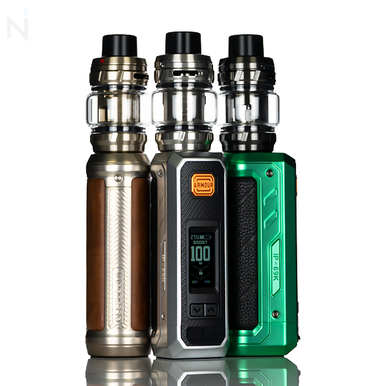
Box mods are still around for vapers who like that control. You can browse our vape mods, including kits like the Vaporesso Armour Ultra 100W Starter Kit.
Pod Systems and Salt Nicotine
In 2015, pod systems changed the market. Instead of a tank and a separate battery, a pod system uses a small cartridge that clicks into a compact battery. Many of them are draw-activated, so there are no buttons to press.
These devices paired well with salt nicotine, a form of nicotine that feels smoother at higher strengths. That made small, low-power devices practical. You can read more in our guide on what salt nicotine is.
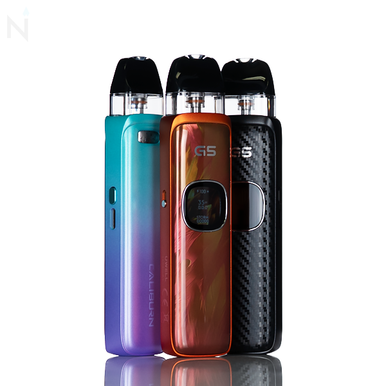
Pod systems are still one of the most popular types of vape. Refillable options like the Uwell Caliburn G5 and the Vaporesso XROS 6 follow the same simple design. See all of our vape pods.
How Regulation Shaped Vaping
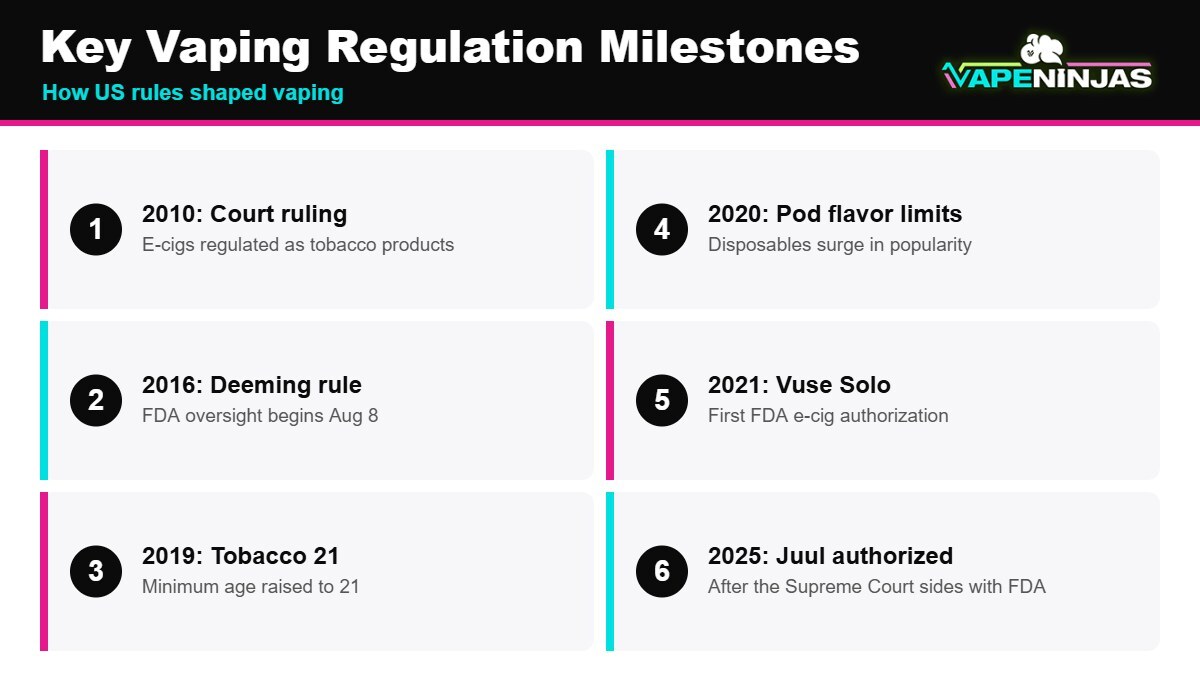
In 2009, the FDA tried to stop e-cigarette imports by treating them as drug delivery devices. Two companies sued, and in December 2010 a federal appeals court ruled that e-cigarettes should be regulated as tobacco products unless they are sold with health claims.
The FDA finalized its "deeming rule" in May 2016, and it took effect on August 8, 2016. From then on, e-cigarettes, e-liquids and parts fell under the same federal law as cigarettes. New products needed FDA review, called a Premarket Tobacco Product Application (PMTA), to stay on the market long term.
On December 20, 2019, a federal law raised the minimum age to buy any tobacco product, including vapes, to 21. Vape Ninjas only sells to adults 21 and older, and every order goes through an age check at checkout.
In October 2021, the FDA issued its first marketing authorization for an e-cigarette, the Vuse Solo. In April 2025, the Supreme Court ruled in the FDA's favor in a case over its denials of flavored e-liquid applications. In July 2025, the FDA authorized several Juul products.
The Disposable Era
In January 2020, the FDA said it would focus enforcement on flavored cartridge-based products, other than tobacco and menthol. The policy did not cover disposable vapes in the same way, and disposables grew fast after that.
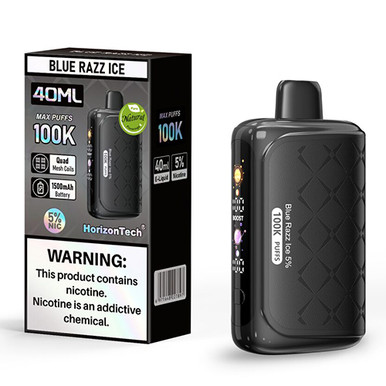
Early disposables were small sticks rated for a few hundred puffs. Today's devices are far bigger. Many have rechargeable batteries, mesh coils, adjustable airflow and screens that show battery and e-liquid levels. Some are rated for 25,000 to 100,000 puffs, like the HorizonTech 100K.
Others use a reusable battery with swappable pods, like the Foger Switch Pro 30K. If you are not sure which style suits you, read disposable vs refillable vapes.
What Vaping Looks Like Today
Twenty years after Hon Lik's first design, vapers have more choices than ever. The main types are:
- Disposable vapes: pre-filled and ready to use. Browse our disposable vapes.
- Pod systems: small, refillable or prefilled pods with a rechargeable battery.
- Box mods: larger devices with adjustable power and tanks.
- Nicotine-free vapes: the same devices with zero nicotine. See our nicotine-free vapes.
The core idea has stayed the same since 2003: a battery, a heating element and a liquid. Everything else, from the size to the puff count, has changed.
Shop today's devices
How we sourced this: We reviewed the original US patent records for Joseph Robinson and Herbert A. Gilbert, published interviews with Hon Lik, FDA press releases on the deeming rule, the Vuse Solo and Juul authorizations, the federal Tobacco 21 law, the 2010 D.C. Circuit opinion in Sottera v. FDA, the Supreme Court's 2025 opinion in FDA v. Wages and White Lion, and our own Vape Ninjas product listings.
This content is for adults 21 and older.
FAQs
When did vapes come out in the US?
E-cigarettes started showing up in the US around 2006 and 2007, a few years after they launched in China.
Who invented the first vape?
Hon Lik, a pharmacist in Beijing, invented the first modern e-cigarette in 2003. Herbert A. Gilbert patented an earlier smokeless design in 1965, but it was never sold.
How long have vapes been around?
Modern vapes have been around for a little over 20 years. The first patent for a similar device was filed almost 100 years ago, in 1927.
When did disposable vapes become popular?
Disposables became popular around 2020, after the FDA focused its flavor enforcement on cartridge-based pods.
Why is it called vaping?
The word comes from "vapor." The device makes an aerosol that looks like vapor. The term "vape" is often credited to Favor inventors Phil Ray and Norman Jacobson, and Oxford Dictionaries named "vape" its word of the year in 2014.
When did the vaping age change to 21?
The federal minimum age for buying vapes became 21 on December 20, 2019.
Latest News
History of Vaping: When Were Vapes Invented?
Quick AnswerModern vapes were invented in 2003 by Hon Lik, a pharmacist in Beijing, China. His e-cig...

Velo vs Zyn vs On!: Strengths, Flavors and FDA Status
Table of Contents Key Takeaways Velo vs Zyn vs On! at a Glance Velo vs Zyn: What Is the Difference...

Elf Bar Flavors: EBCreate BC Pro 40K Full Flavor Guide
Table of Contents Key Takeaways EBCreate BC Pro 40K at a Glance What Is Elf Bar's New Name? Is Los...

Best Watermelon Ice Vapes: 10 Top Disposables in 2026
Table of Contents Key Takeaways Watermelon Ice Vapes at a Glance What Does Watermelon Ice Taste Li...
What Is Metatine? 6-Methyl Nicotine in SBX Vapes Explained
Table of Contents Key Takeaways Metatine at a Glance What Is Metatine Made Of? Metatine vs Nicotin...

Are Nicotine-Free Vapes Safe? What's Inside a 0mg Vape
Table of Contents Key Takeaways Nicotine-Free Vapes at a Glance What Is a Nicotine-Free Vape? What...